
Marble flooring brings a refined, understated glow to any living space, instantly boosting the elegance and premium feel of residential interiors. Yet numerous homeowners only realize post‑installation that this luxurious flooring material demands gentle handling due to its inherent fragility. In truth, marble upkeep is far less complicated than most people imagine once you get familiar with its unique physical and chemical properties. This all‑in‑one guide breaks down every essential detail of marble floor care, covering core principles, daily cleaning routines, error‑avoidance strategies and professional sealing solutions.
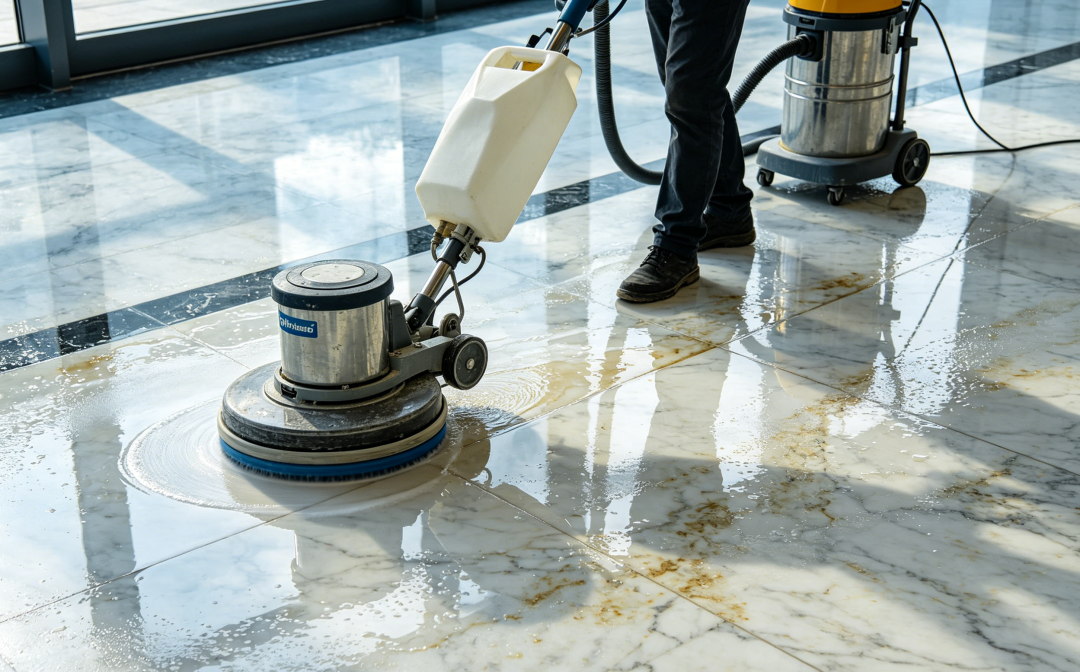
Why Marble Floors Need Specialized Care
Marble is a pure natural stone with countless micro‑pores scattered across its surface. These tiny openings readily absorb liquid substances upon contact. Stains from tea, fresh fruit juices, red wine or other beverages will permanently mark the marble if not cleaned right away. Besides, marble only scores 3–5 on the Mohs hardness scale, making it highly susceptible to scuffs, scrapes and surface scratches from daily wear‑and‑tear.
Another commonly neglected factor is marble’s vulnerability to acidic materials. Composed mainly of calcium carbonate, marble undergoes chemical erosion when exposed to acid‑rich substances. This reaction dulls its natural shine, leaving the surface faded, matte and even rough to the touch. For this reason, everyday acidic items including white vinegar, citrus juice and acid‑containing cleaning detergents must never be used directly on marble flooring.
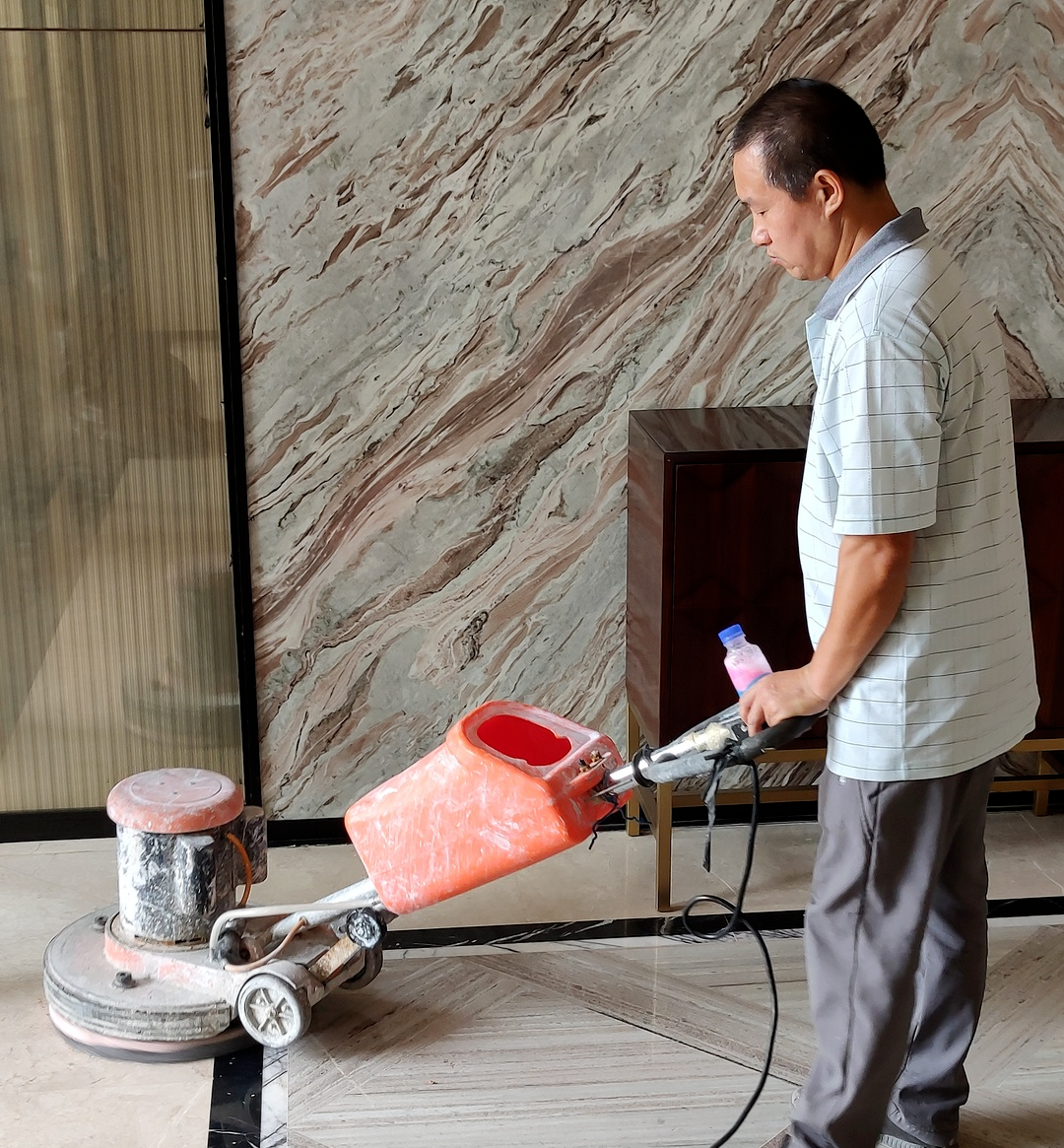
Step‑by‑Step Daily Cleaning Regimens
Consistent light‑duty maintenance is key to preserving marble floors. Spending a few minutes on regular upkeep daily is much more efficient than dealing with costly, large‑scale floor restoration after severe damage occurs.
Daily Surface Maintenance
Use a soft‑bristle broom or electrostatic dust mop to gently sweep away loose dust and fine debris. Though seemingly harmless, sand particles and fine dirt act like abrasive sandpaper when stepped on repeatedly, gradually scratching the polished marble finish. Placing high‑quality doormats at all entryways is strongly advised to trap most grit and soil before it spreads across indoor marble floors.
Immediate Spill Removal
All liquid spills must be wiped off without delay, whether plain water, cooking oil or sweetened fruit drinks. The faster you address spills, the lower the risk of permanent staining. Use a soft microfiber cloth dampened with lukewarm water or pH‑neutral stone‑specific cleaners to wipe affected spots, then fully dry the surface to prevent water penetration.
Weekly Deep Cleaning
Clean the entire floor weekly with a slightly damp mop paired with pH‑balanced cleaners specially formulated for natural stone materials. Immediately after mopping, buff the floor dry using a lint‑free dry cloth. Strictly avoid vinegar, ammonia, bleach, lemon‑infused cleaners and other acid‑alkaline products, as these chemicals severely damage marble polish.
Critical Maintenance Mistakes to Avoid
Many homeowners unintentionally damage marble floors by adopting improper cleaning and protection habits. Recognizing and avoiding these common errors helps minimize unnecessary wear and tear effectively.
First, steer clear of harsh cleaning tools and unsuitable chemical agents. Abrasive supplies such as stiff‑bristle scrub brushes and steel wool scratch soft marble surfaces easily. Acidic and alkaline cleaners corrode the polish and cause clouding, while wax‑based products lead to long‑term yellowing and discoloration of marble.
Second, implement physical protective measures. Attach soft felt pads to the bottom of heavy furniture legs to prevent scuffs. Always lift furniture rather than drag it across the floor during rearrangement. Place a clean towel under water buckets while mopping to stop trapped grit from scratching the marble. Additionally, avoid walking on marble floors in high‑heeled shoes or hard‑soled footwear.
Third, regulate indoor environmental conditions. Run dehumidifiers when indoor humidity rises above 70% to prevent water marks, dark patches and moisture‑induced discoloration. Install blackout curtains in sun‑exposed zones to shield marble from ultraviolet radiation damage. After rainfall, promptly wipe marble surfaces near balconies and floor‑to‑ceiling windows, as rainwater contains acidic components that erode marble luster if left untreated.
Sealing: Add a Long‑Lasting Protective Barrier to Marble Floors
Floor sealing is frequently overlooked by homeowners, yet it serves as a low‑effort, high‑effect solution for long‑term marble protection.
As noted earlier, marble’s micro‑pores allow liquid infiltration. Sealing agents penetrate deep into these pores and form a waterproof, stain‑resistant barrier to block liquid absorption. For newly laid marble floors, apply high‑quality sealants once the installation mortar dries completely and the surface cures fully.
Sealing frequency depends on usage intensity. Annual re‑sealing works well for standard residential spaces. High‑traffic, liquid‑prone areas including kitchens, bathrooms and entry halls require re‑sealing every six months to one year for enhanced protection.
A practical water‑drop test helps check sealing effectiveness: pour a small amount of water on the marble surface. If water fails to form beads and seeps into the stone rapidly, it signals that re‑sealing is urgently needed.
Professional sealing treatment for marble flooring
Conclusion
Looking after marble flooring does not have to be an overwhelming task. With proper care methods in place, you can keep your marble floors looking brand‑new long after installation. They will stand as a timeless centerpiece in any interior space, retaining their luxurious shine permanently. Following core guidelines such as gentle cleaning practices, immediate spill treatment, consistent upkeep and avoidance of typical care errors will help sustain their brilliant finish year after year.
Both residential and commercial marble flooring require thoughtful long‑term preservation. We trust the practical maintenance advice outlined in this article will assist you in protecting your marble surfaces effectively. Steering clear of common upkeep blunders ensures this naturally elegant stone texture continues to elevate the beauty of your surroundings.